




Do you have questions about your Rointe product?

Radiators
Frequently asked questions: Electric radiators
Are electric radiators efficient?
Electric radiators stand out for their extraordinary efficiency, as they convert 99.9% of the energy consumed into heat. Unlike central heating systems, which lose part of the heat through the pipes, electric radiators deliver heat directly to the room environment.
What are electric radiators filled with?
Electric radiators, such as Rointe brand radiators, are filled with Thermal Fluid Tech, a high-efficiency heat transfer fluid. This liquid allows better heat distribution and retention, ensuring optimum performance and uniform heating over the entire radiator surface.
Are wall-mounted electric radiators good?
The wall-mounted electric radiators are compact and feature a sophisticated design, perfect for small spaces or modern decorations. They are easy to install and provide uniform and constant heating.
Is it safe to leave electric radiators on overnight?
Yes, without a doubt. Our radiators can operate autonomously and unattended both day and night, as they monitor the ambient temperature and stop heating when it is not necessary. However, certain precautions should be taken in this regard.
- Avoid obstructions: Do not place clothing, towels or other objects on the radiator while it is in use, as this could cause overheating and permanently damage the radiator electronics or structural elements of the radiator.
- Safety distance: It is advisable to maintain a free space of at least one meter around the radiator. The obstruction of the air flow not only decreases the efficiency of the radiator, but also promotes overheating and possible damage to the radiator.
What warranty do electric radiators offer and how can I make a claim?
- 10-year warranty on the radiator body.
- 3 years warranty on electronic components.
How Do I Contact Rointe Support?
If you need to contact support, follow these steps:
Keep your proof of purchase: It is essential to have the invoice or purchase receipt to validate the warranty.
Contact our customer service
You can contact us through the following channels:
- Support telephone: 01 553 0523
- Email: [email protected]
- Contact form: available on our website

Towel Rail
Frequently Asked Questions: Rointe Towel Rails
What is the difference between an electric and a hydraulic towel dryer?
Electric towel dryer:
- They are electrically powered and filled with a specially formulated thermal fluid.
- The oil is heated by an electric element made of armored steel. This heat is transferred to the fluid, which circulates inside the towel rail, creating a convection cycle that distributes the heat evenly throughout the body of the towel rail.
- They are ideal for homes without central heating systems, as they operate independently and are easily connected to the power grid.
- They offer a quick response when heated and, thanks to the internal fluid, keep the heat for longer even after switching off.
Hydraulic towel rails:
- They work connected to the central heating system of the home, using the hot water generated by the boiler.
- The water circulates through internal pipes in the towel rail, transferring the heat to its surface to heat the air and towels through a process of radiation and convection.
- They are an efficient and sustainable option in homes with existing central heating systems.
- They do not require direct electrical power consumption to operate, as they depend on the home’s hot water circuit.
Main difference:
- Oil towel rails are free-standing and electrically operated, making them more versatile for any type of installation.
- Hydraulic towel rails depend on the central heating system, being ideal for homes that already have this type of infrastructure.
Both types offer advantages depending on your specific needs, your home’s heating system, and your lifestyle.
What should you consider when buying a Rointe towel rail?
We recommend that you consider a few issues before buying an electric radiator:
- What size do I need?
- What is its energy efficiency?
- What heating technology do I need?
- What energy-saving features does the towel rail include?
- What are the scheduling options?
- Is it 24/7, from a dashboard, from my smartphone via an app, etc.?
- Are they easy to install?
- Or would you need an electrician or installer?
- Do they need any kind of maintenance?
- Is the design right for my style and my house?
Check out our other FAQs below for some of these answers.
How do I install a Rointe Towel Rail?
Installing a Rointe electric towel dryer is super easy. We provide brackets, fixings and a template with each radiator, so all you need are a few tools for installation.
Installing a Rointe towel rail, whether oil or hydraulic, is a simple and quick process. We provide all brackets, fixings, and a template with each product for easy installation. You’ll only need a few basic tools:
- Phillips screwdriver
- Electric Drill
- Rubber hammer or mallet
- Pencil
- Spirit level
Steps to install your towel rail:
Choose the right location:
- Be sure to avoid drafty areas near doors or windows.
- Leave enough space so that the towel rail is not blocked by furniture.
- The towel rail should be positioned high enough to allow convenient access to the control panel.
Prepare the holes:
- Place the supplied template on the wall, making sure that the bottom is aligned with the floor.
- Mark the holes with a pencil.
Drill and fix the brackets:
Drill the previously marked holes.
Insert the supplied plugs.
Fix the brackets using the included screws.
Screw the front part of the brackets, making sure that they are firm, but without exerting too much pressure that could deform them. The two parties do not have to touch each other.
Towel dryer installation:
If it is an electric model:
Unwind the cable, then place the towel dryer on the brackets. Lift it slightly and slide it down to secure it.
Plug the cord into the electrical outlet and turn on the product.If it is a hydraulic model:
Connect the hot water pipes of the central heating system to the towel rail connections. Make sure the valves are properly installed and tighten all the joints.
Final Review:
- Check that the towel rail is securely attached to the wall and that there are no leaks in the connections (for hydraulic models).
Do I need an electrician or plumber to install a Rointe Towel Rail?
The installation of a towel rail, whether oil or hydraulic, is flexible and depends on your needs and preferences.
For electric models:
If you only want to plug it into a power outlet, you can easily install it yourself by following our instructions. However, if you prefer a more professional or hard-wired installation, we recommend that you have a qualified electrician.For hydraulic models:
They require connection to the central heating system, which can be done by a specialized plumber or installer. This ensures that the connections are secure and that the system is functioning properly.
Do you need to find a RointePRO installer or an electrical wholesaler? Click here to browse our online directory and search for a Rointe installer or wholesaler in your area.
Do Rointe Towel Warmers need maintenance?
Rointe towel rails, whether oil-fired or hydraulic, require minimal maintenance to stay in tip-top condition, but it’s important to keep them clean and dust-free. This ensures efficient performance and extends its service life.
Dust and dirt can accumulate on the surfaces of the towel rail and, in the case of oil models, can hinder natural convection. That’s why we recommend cleaning them at least once every 6 months, especially before the winter season.
Steps to clean your towel dryer:
Turn off your towel rail:
- For electric models, be sure to turn it off the power before you start.
- For hydraulic models, make sure the heating system is turned off and cool.
Removes dust and debris:
- You can use a non-abrasive cloth or wipe to clean the towel dryer. towel dryerAvoid any cleaning product that may damage the surface.
- A feather duster can be used for more difficult areas.
- Condensation of vapor or moisture on the surface is normal. The thermal fluid inside is colored, usually pink or green, which will help you differentiate this condensation from a possible fluid leak.
Clean with mild soap:
- Prepare a solution of warm water with mild soap (neutral pH).
- Dampen a non-abrasive cloth or sponge, making sure to remove excess water before running it over the towel rail.
Dry the towel rail:
- Use a dry cloth to remove any remaining moisture, especially on the connections of hydraulic models.
Is it normal for the top bars of an electric towel dryer not to heat up the same as the rest?
Are towel dryers expensive?
Several factors influence the effectiveness of your towel drying system, so calculating consumption and running costs can be tricky. It is essential to choose the towel dryer that best suits your needs:
Make sure you select the right model:
Consider the size and characteristics of your space when choosing between electric or hydraulic towel dryers. A properly sized model will ensure efficient and comfortable performance.Optimises energy costs:
If you use an electric towel rail, periodically check your electricity provider’s rates to make sure you’re getting the best price. This will help you maximize efficiency and reduce running costs.Assess your needs:
Determine if you need a towel rail that works independently or if you can integrate it into your central heating system, which may be more cost-effective in some cases.
Check out our online energy calculator to determine the best size for your room and average cost of operation. Click here to get started.
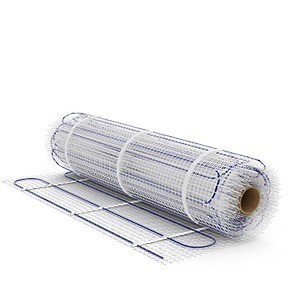
UNDERFLOOR HEATING
Frequently Asked Questions: Underfloor Heating
What is the difference between an Erko underfloor heating and a Milos underfloor heating?
Milos and Erko underfloor heating systems share the goal of providing efficient and uniform heating, but use different technologies that make them ideal for different types of surfaces.
Milos underfloor heating: It is specifically designed for hard floors, such as ceramic tiles, porcelain tiles and tiled surfaces. This system uses advanced technology that ensures even heat distribution, perfect for surfaces that require greater thermal resistance and are often cool to the touch. Its design optimizes heat transfer to keep rooms warm and comfortable.
Erko underfloor heating: Ideal for more delicate and flexible materials, such as carpets, wood, laminates, vinyl and linoleum. This system adapts perfectly to these types of surfaces thanks to its design that distributes heat efficiently and smoothly, without compromising the integrity of the floor. Erko is the perfect choice for spaces where the thermal sensitivity of the material is key.
Both systems guarantee efficient heat transfer, providing exceptional comfort, but the choice between Milos and Erko will depend on the type of flooring in the room and your specific needs.
What should you consider when buying underfloor heating?
We recommend that you consider these key questions before choosing an underfloor heating system:
- What size do I need?
- Is it compatible with the type of flooring in my home?
- What heating technology do I need?
- Does it offer dimming options to optimise consumption?
- What are the scheduling options?
- Is it easy to install?
- Or would you need an electrician or installer?
- Do they need any kind of maintenance?
Check out our other FAQs below for some of these answers.
How is underfloor heating installed?
- Tape measure
- Scissors or blade to cut the mesh (never the heating cable)
- Multimeter to verify continuity
- Serrated spatula
- Spirit level
- Soil preparation: Make sure the surface is clean, dry, level, and free of dust or grease. This will ensure good contact between the floor and the heating system.
- Install the thermal insulation (optional): If required, place a layer of thermal insulation to improve energy efficiency and prevent heat loss downwards.
- Unfold the mesh or heating cable: Lay out the heating mesh or wires according to the recommended installation design, making sure to evenly cover the entire area. If you use netting, cut it carefully to fit the space, but never cut the heating cord.
- Fix the system to the ground: Use the supplied tape or adhesive to secure the system to the floor, making sure it doesn’t move during the installation of the final floor.
- Connect the thermostat: Bring the heating wires to the thermostat connection point. A qualified electrician will need to make this connection to ensure the safety and proper functioning of the system.
- Check the system: Use a multimeter to check the system’s endurance and make sure everything is working properly before continuing.
- Apply the self-leveling or adhesive coat: Cover the system with a layer of self-leveling or adhesive to protect it and create an even base for the final floor.
- Install the final floor: Lay the finishing material (tiles, wood, vinyl, etc.) following the specific instructions for the chosen type of floor.
- Connect and test: Once the final floor is installed and drying is complete, connect the system to the thermostat and perform a final test to make sure it is working properly.
Installation of Milos underfloor heating
Erko underfloor heating installation
Do I need an electrician to install a Rointe underfloor heating?
It’s really up to you whether you want an electrician to install your underfloor heating. If you only want to plug it into a power outlet, you can install it yourself very easily.
However, our models are also suitable for professional electrical installation, which requires a qualified electrician.
Do you need to find a RointePRO installer or an electrical wholesaler? Click here to browse our online directory and search for a Rointe installer or wholesaler in your area.
Do underfloor heating require maintenance?
One of the great advantages of Rointe underfloor heating systems is that they are designed to be virtually maintenance-free. Its fixed installation and the absence of moving parts eliminate the need for frequent revisions or component replacements. However, there are some important considerations to ensure optimal long-term performance:
Proper installation:
A correct initial installation is key to avoid future problems. Follow the manufacturer’s instructions and use the recommended accessories to ensure efficient operation of the system.Pre-check:
Before laying the final floor, use a multimeter to verify that the system is working properly. This ensures that there is no damage to the cables or heating mesh.Protection during installation:
Apply a coat of self-leveling over the system to protect heating cables or screens during the laying of the upper floor, such as tile or laminate.Regular floor cleaning:
Keep the surface of the floor clean and in good condition. Avoid abrasive products that can damage the finish of the floor, as this could affect heat transfer.Checking the thermostat:
Set the thermostat correctly according to your needs and periodically check its operation. This optimises energy consumption and ensures precise heat control.
Is underfloor heating expensive?
Several factors influence the effectiveness of an underfloor heating system, which can make calculating consumption and running costs challenging. It’s critical to make sure you choose the right system for the type of soil and surface you want to heat, ensuring efficient heat distribution. Also, make sure that the system is correctly sized for the area to be heated.
It is also important to regularly check with your electricity provider to verify that you are taking advantage of the most suitable tariff for your needs, thus maximising the energy efficiency of your underfloor heating system.
Check out our handy calculator to learn more about the ideal system for your space and how to optimize its performance.
In-line energy calculator to determine the best size for your room and the average cost of operation. Click here to get started.

UNDERFLOOR HEATING
Frequently asked questions: Thermos
What is the difference between a Dalis Pro Water Heater, a Coralia Water Heater and an Iris Water Heater?
he main difference between these Rointe water heater models lies in their capacity, design and technology, adapting to different domestic hot water needs:
Termo Dalis Pro: Designed for large hot water demands, it offers superior capacity and exceptional performance, ideal for large families or businesses requiring a constant supply. It combines efficiency and durability, ensuring comfort even at times of high consumption.
Thermo Coralia: This compact model stands out for its advanced technology, including WiFi connectivity for easy remote control from your smartphone. It is perfect for small spaces such as flats, providing instant hot water without compromising energy efficiency.
Iris Water Heater: The intermediate option, ideal for medium-sized homes. It offers a perfect balance between capacity and efficiency, with a versatile design that adapts easily to any space, guaranteeing hot water at any time of the day.
Each Rointe thermos flask is designed to offer maximum comfort and adapt to different lifestyles. Choose the one that best suits your needs!
What should I take into account when buying a Rointe electric water heater?
When choosing a Rointe electric water heater, it is important to consider several factors to ensure that it meets your domestic hot water needs:
Thermos flask capacity: Evaluate the size of your household and the amount of hot water you consume on a daily basis.
- The Dalis Pro is ideal for large families or businesses with high demand.
- The Coralia is perfect for smaller spaces or for those looking for compact efficiency.
- The Iris is an intermediate solution, suitable for medium-sized homes.
Technology and features:
- The Coralia includes WiFi connectivity, allowing remote control from your smartphone.
- The models feature high-precision digital thermostats to maintain the ideal temperature and save energy.
Available space: Check the area where you plan to install the boiler.
- El diseño compacto del Coralia lo hace ideal para rincones pequeños.
- Models such as the Dalis Pro may require more space due to their higher capacity.
Energy efficiency: All Rointe water heaters are designed to offer optimised consumption, ensuring hot water without excessive costs.
Taking these aspects into account, you will be able to choose the Rointe electric water heater that best suits your needs and lifestyle. Enjoy constant hot water and efficiency in your home!
How is a Rointe electric water heater installed?
The installation of a Rointe electric water heater is a simple process if you follow the right steps. Here’s how to do it:
Choose the right place
Select a location near water pipes and an electrical outlet. Make sure there is enough space to install the thermos safely, especially for models like the Dalis Pro, which requires more space due to its capacity.Wall mounting
- Use the supplied brackets and installation template to mark the attachment points on the wall.
- Drill the holes and secure the brackets with the screws included in the kit.
Connection to pipes
- Connect the water inlet and outlet using the appropriate accessories.
- Check that the connections are secure to prevent leaks.
Electrical connection
- Make sure that the electrical installation meets the requirements of the model (power and voltage).
- Plug the cord into the power outlet. The Coralia and other Rointe models are designed for easy and secure connection.
Initial setup
- If you have chosen the Coralia with WiFi technology, download the Rointe Nexa app to configure the remote control and optimize operation.
- Adjust the desired temperature and schedule the times according to your needs.
Final Test
Turn on the thermos and check that the hot water is flowing properly. Check all connections to ensure there are no leaks or electrical issues.
By following these steps, you will enjoy constant hot water with the quality and efficiency offered by Rointe water heaters.
Do I need a professional to install a Rointe electric water heater?
If you plan to connect the thermos flask to a standard water and power outlet, you can perform the installation yourself by following the instructions in the manual. Even so, it is important to have some basic knowledge and to exercise extreme caution.
However, in more complex installations, such as those involving:
A direct connection to the electrical panel,
Modifications to the existing electrical or plumbing installation,
it is advisable to call in a qualified technician, either an electrician or plumber, to ensure a safe, legal and efficient installation.
Do Rointe electric water heaters need maintenance?
Rointe electric water heaters are designed to deliver efficient and reliable performance with minimal maintenance. However, some basic care can help you extend its life and ensure optimal functioning:
Regular review of connections
It is advisable to inspect the water inlet and outlet connections to ensure that there are no leaks or wear on the joints.External cleaning
Keep the outside of the thermos clean and dust-free. Use a soft, damp cloth to clean the surface, avoiding abrasive chemicals that can damage it.Thermostat control
Periodically check that the thermostat is working properly and maintain the desired temperature consistently.Electrical Component Testing
While Rointe water heaters are safe and durable, an occasional check of the electrical components by a qualified technician can be helpful, especially on models with advanced technology such as the Coralia.
With these simple cares, your Rointe electric water heater will continue to provide efficient and reliable hot water for many years.
Are Rointe thermoses expensive?
The cost of Rointe electric water heaters depends on several factors that influence their efficiency and operating costs. To ensure maximum performance and control of consumption, it is essential to take into account some key aspects:
- Capacity and proper use
Choosing the water heater with the right capacity for your needs is crucial. Models such as the Dalis Pro are ideal for large hot water demands, while the Coralia and Iris are designed for more specific needs, optimizing energy consumption. - Energy efficiency
All Rointe water heaters are designed to minimize energy consumption thanks to advanced technology, such as precise digital thermostats and programming functions, helping you reduce the cost of operation. - Electricity tariff
Check with your electricity provider regularly to make sure you’re using the most appropriate rate for your home. This can make a big difference to the operating cost of your electric water heater. - Consumption calculation
Use tools like our handy online energy calculator to determine the ideal water heater size for your home and calculate the average cost of operation. Click here
to get started and optimize your investment.
By selecting the right model and efficiently managing your consumption, Rointe electric water heaters offer an economical and reliable solution for the supply of hot water in your home.
Frequently Asked Questions: Rointe Nexa App
I can't match my product
– Restart your device and router.
– Verify that the Wi-Fi signal is reaching the device correctly.
– Try resetting your device to its factory settings and repeating the process.
– Contact our technical service.
Why do I send an order to the product from the app but don't receive it?
The product may not have an internet connection at this time. To try to resume the
Connection You can try the following:
– Restart the router and verify that it provides connectivity to the product.
– Verify that the Wi-Fi signal is reaching the device correctly.
– Disconnect the product from the mains, wait 20 seconds, and plug it back in.
– Contact our technical service
Are the products compatible with voice assistants?
- Yes, our products can be controlled with Google Assistant and Amazon Alexaby voice commands.
What happens if the electricity or internet connection goes out?
- The products save the previous configuration and will continue to work with theprogrammed adjustments. However, remote control will only be possible when the connection is restored
Can I program the products?
- Yes, you can program your products to turn on or off without having todo it manually.
Can I separate the products by rooms?
- Yes. The app distinguishes between zones. When creating an account, you will need to create oneinstallation (e.g. House), within each installation the different zones (Living Room, Kitchen,Main Bathroom, Children’s Room, etc…). Products are set within a zone.
What happens if there is a sudden power interruption during an upgrade or setup?
- No problem, the products are prepared for it. When power is restored to the product will turn on in the pre-update state.

Rointe Nexa APP
Learn how to match your
devices in a few steps
View our video tutorial.
Didn't find what you were looking for?
Fill out the form and our technical team will respond as soon as possible.