




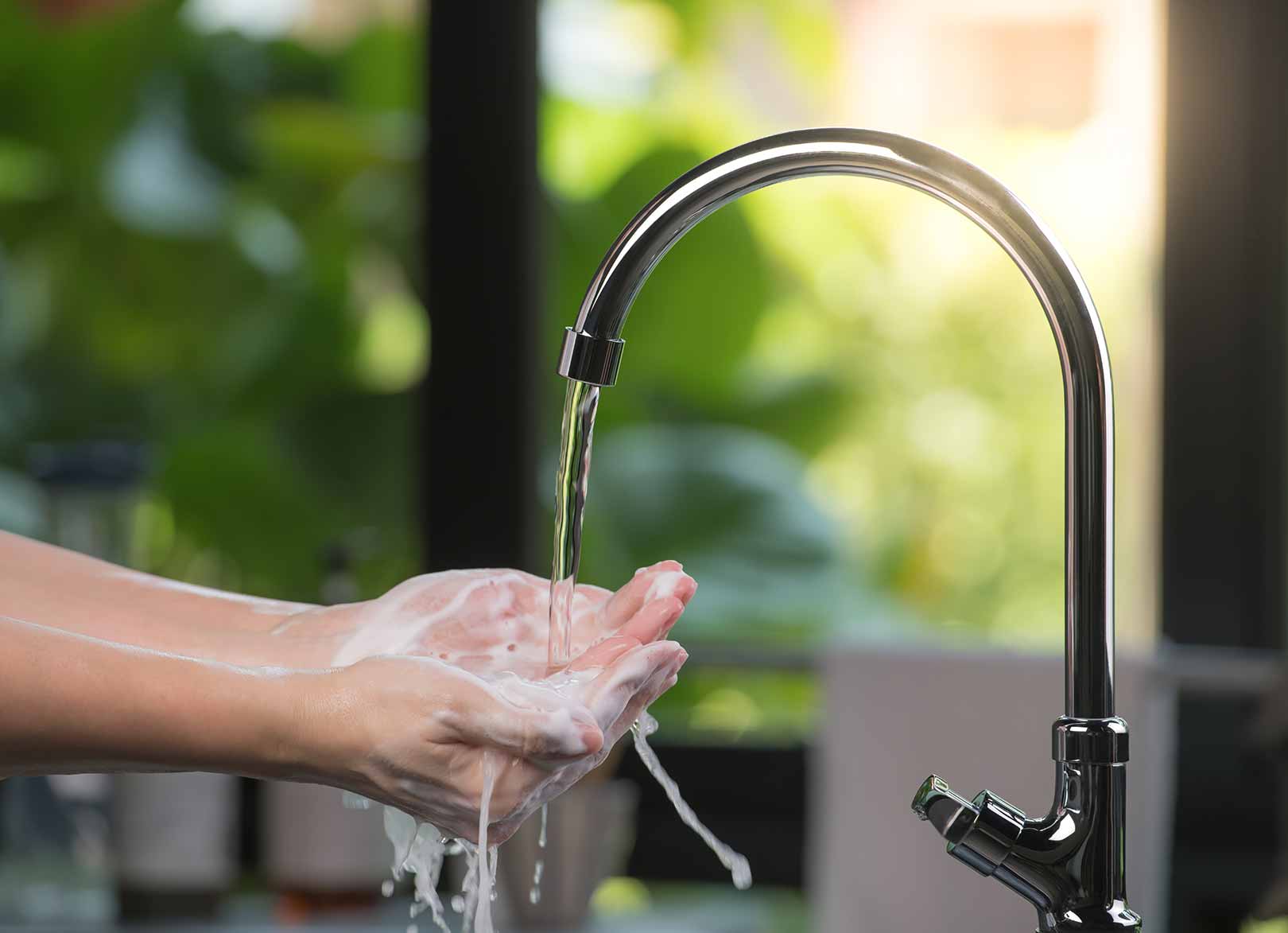
Hot water: Essential for comfort in the home
We use hot water without thinking much about it, but it is essential for our daily comfort. We turn on the tap and wait for hot water to come out instantly. No one wants to waste valuable minutes folding toilet paper into a fancy shape while waiting for the water to heat up. We also don’t want to face a cold shower at 6:30 in the morning. However, without a reliable water heating system, these situations can become common. The challenge is finding the right water heater that provides hot water at the right temperature, whenever you need it, without spending too much.
Selecting the Best Water Heater
First, let’s explain what we mean by domestic hot water (DHW). This term refers to water heated for human use. The most common uses include the bathroom, shower, and sink, although it is also used for cleaning and appliances such as washing machines and dishwashers.
Step 1: Difference Between Ventless and Vented Water Heaters
There are two main differences between water heaters: ventless and vented.
- Ventless heaters:
These heat the water directly from the main supply. They offer higher pressures and flow rates, plus a more balanced hot/cold water supply. They can be installed virtually anywhere and are ideal for properties with multiple points of use, such as kitchens and bathrooms. - Vented heaters:
They are usually installed over the sink area. They have an open outlet and rely on a faucet or valve on the inlet side to displace the hot water stored in the heater. They are ideal for single-point needs, such as in a kitchen, office, or clinic.
It’s important to understand this difference in order to choose the right water heater for your needs.
Step 2: Types of Water Heaters
When we talk about water heaters, many people think of traditional storage tank systems. However, today there are more modern options:
- With storage/tank:
They are the most common and widely available. Their installation is relatively simple (for a professional) and they are usually the least expensive. They include a large tank that stores hot water for use on demand. The water is heated by electrical elements or a gas/propane burner. They may not be very efficient, as they must maintain a large amount of hot water constantly. Look for models with high levels of insulation and options for programming heating. - No tank/on-demand/instantaneous:
They provide hot water as needed, heating it as it passes through the device. They are quite efficient because they only use energy when hot water is needed. In large homes with high demand, they may be insufficient, although this is solved by installing several units. They take up little space, but have a higher initial cost. These heaters are rated based on the volume of water they heat per minute (e.g., 4.6 liters/minute), rather than the size of the tank. - Heat pumps:
These heaters are unique in that they use heat from the air or soil to heat water, making them extremely efficient. They can use up to 60% less electricity than traditional heaters. However, they are large and do not work well in cold spaces or very cold climates for long periods. Their initial cost can be high, but they offer great savings on energy bills.
Step 3: Consider fuel sources, costs, and efficiency
When choosing a water heater, you should consider the costs of fuel and the sources available to heat your water. This varies depending on where you live. In addition, different types of heaters have varying degrees of efficiency, which directly influences cost savings.
- Electrical:
Widely available and compatible with conventional tank designs, tankless systems and heat pumps. They are highly efficient, as they convert all the energy used into heat for water. They also require less maintenance than gas heaters. - Gas:
Commonly used to heat water and spaces, gas is considered the cheapest fuel, but it is not the most efficient or environmentally friendly. Cold water enters the bottom of the tank and is heated by a gas burner. This type of heater generates carbon emissions. - Solar:
Heat water naturally using solar panels. It requires more space and a high initial investment, but provides significant savings on energy bills in sunny regions. - Geothermal:
They use heat from the ground as their main source of energy. They can be extremely efficient and heat both water and air. These systems can also provide cooling in hot weather.
Step 4: Choose the right size or capacity
The correct capacity depends on factors such as the number of users, the uses of hot water and the characteristics of the property.
Quick guide to capabilities according to use:
| Users | Use | Capacity Needed | Rointe Product |
|---|---|---|---|
| 2 | Sink/Shower | 50 – 100 liters | Galilee or Coralia WiFi |
| 3 | Sink/Shower/Bathtub | 150 – 200 litres | Coralia WiFi |
| 4 | Sink/Shower/Bathtub | 150 – 200 litres | Coralia WiFi |
| 5+ | Multiple uses | 260 liters | Dalis Pro |
Conclusion:
Choosing the right water heater can be a complex decision. Consult experienced professionals to ensure the perfect solution for your home. Contact us and we will help you keep your water hot and your family happy.


